
You’ve seen the before-and-after photos. You’ve read the testimonials. And now you’re staring at a price list that ranges anywhere from ₱3,500 to ₱12,000 per session — for what looks like the same procedure. That gap isn’t random. PRP treatment cost in the Philippines varies dramatically based on factors most clinics won’t explain upfront, and understanding them is the difference between a smart investment and an expensive disappointment.
This guide breaks down exactly what drives pricing, where the hidden costs live, and how to compare clinics without getting burned. By the end, you’ll know what a fair price looks like — and what questions to ask before you book.
Why PRP Treatment Cost in the Philippines Varies So Much
PRP treatment cost in the Philippines ranges from ₱3,500 to ₱12,000 per session, and the gap comes down to five measurable factors: centrifuge quality, platelet concentration yield, physician credentials, clinic location, and the number of sessions bundled into a package.
Here’s what actually moves the needle on price:
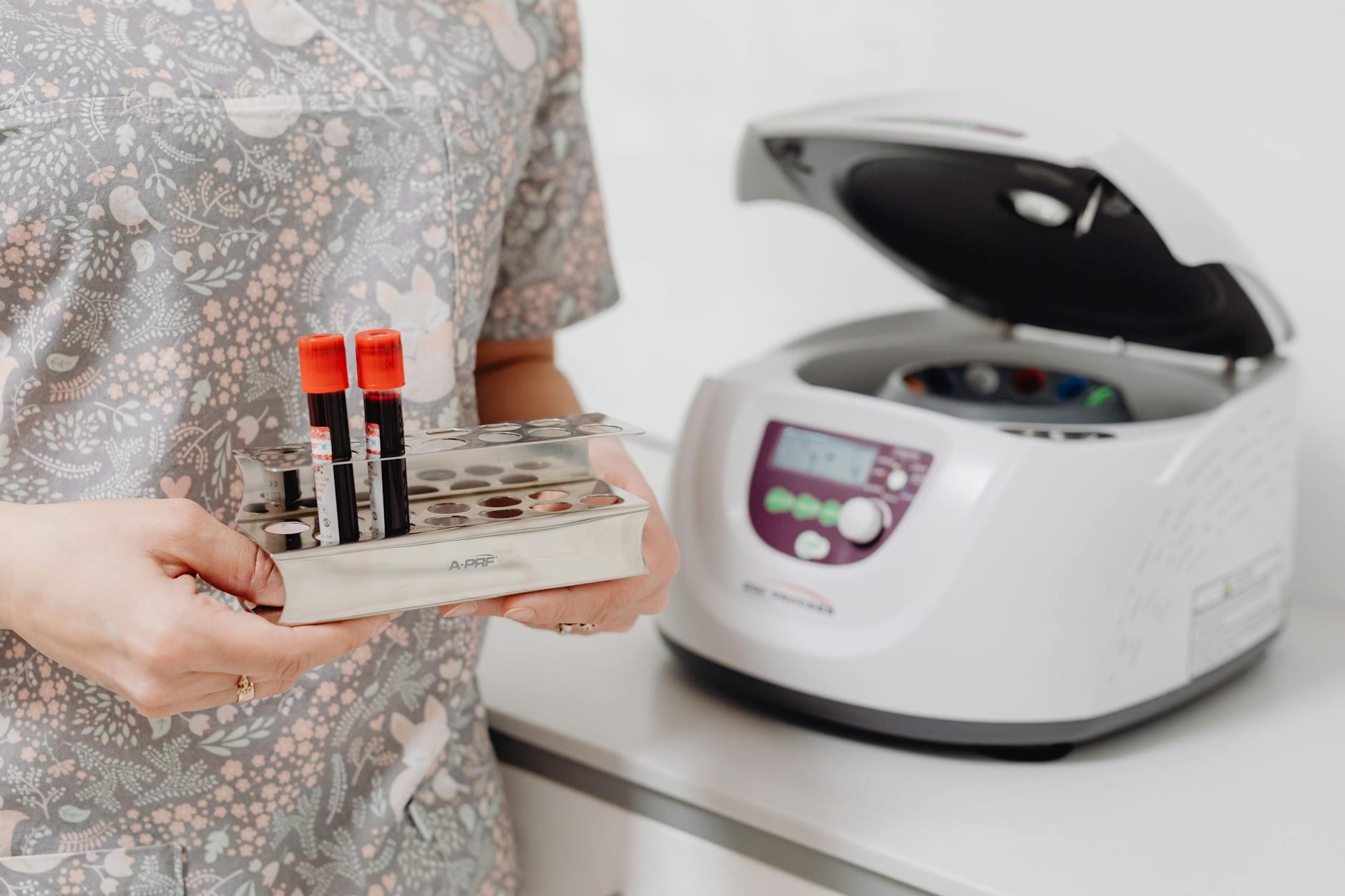
- Centrifuge technology: Medical-grade double-spin centrifuges (brands like Harvest Technologies or Arthrex ACP) produce PRP with platelet concentrations 4–7× above baseline. Budget clinics often use single-spin equipment that delivers 2–3× — less effective, but cheaper to operate.
- PRP kit and growth factor additives: Closed-system FDA-cleared kits (e.g., RegenKit, Eclipse PRP) cost more per session but reduce contamination risk and improve consistency.
- Volume injected: A proper scalp PRP session uses 5–8mL of activated PRP. Some “discount” sessions use as little as 2mL — you’re paying for volume, not just a procedure name.
- Physician vs. nurse injector: Sessions led by a board-certified dermatologist or trichologist command a premium — typically ₱2,000–₱4,000 more than nurse-administered sessions.
- Clinic overhead: BGC and Makati clinics carry higher rent and labor costs than provincial counterparts, which is reflected directly in pricing.
Platelet concentration is the single biggest predictor of PRP efficacy. A session delivering less than 1 million platelets per microliter is unlikely to produce meaningful hair regrowth — regardless of how premium the clinic looks.
Based on clinical guidance from the International Society of Hair Restoration Surgery (ISHRS), 2023 Practice Standards
The Real Problem: Patients Can’t Tell Good PRP from Overpriced PRP
Most patients comparing PRP treatment costs are evaluating the wrong things — clinic aesthetics, social media presence, and price alone. The variables that actually determine results are invisible to the untrained eye.
Three warning signs that a “budget” PRP offer isn’t worth it:
- No platelet count disclosure. Reputable clinics can show you the platelet concentration achieved. If a clinic can’t or won’t share this, the centrifuge protocol is likely inadequate.
- Single-session pricing only. PRP for hair loss requires a minimum of 3 sessions spaced 4–6 weeks apart to see results. A clinic selling only one-off sessions isn’t thinking about your outcome.
- No baseline assessment. Proper treatment starts with a trichoscopy or hair density scan to measure starting follicle health. Skipping this means there’s no way to track — or prove — improvement.
Red flag: Any clinic advertising PRP for under ₱2,500 per session is almost certainly cutting corners on kit quality, concentration protocol, or injection volume. The raw materials alone for a compliant session cost more than that.
PRP Treatment Cost Breakdown: Manila vs. Cebu vs. Davao
PRP treatment costs differ by 20–40% across Philippine cities, primarily due to clinic overhead, physician availability, and local competition. Here’s how the numbers stack up in 2025.
| Location | Single Session | 3-Session Package | 6-Session Package |
|---|---|---|---|
| Manila (BGC / Makati) | ₱8,000–₱12,000 | ₱20,000–₱30,000 | ₱38,000–₱55,000 |
| Manila (Quezon City / Pasig) | ₱5,500–₱9,000 | ₱14,000–₱24,000 | ₱26,000–₱44,000 |
| Cebu City | ₱4,500–₱8,000 | ₱12,000–₱20,000 | ₱22,000–₱38,000 |
| Davao City | ₱3,500–₱7,000 | ₱9,500–₱18,000 | ₱18,000–₱34,000 |
The Davao-to-BGC price gap can exceed ₱5,000 per session for nominally equivalent services. But “nominally equivalent” is the key phrase — always verify kit brand and centrifuge protocol before assuming lower price means lower quality in provincial clinics.
What’s Actually Included in Your PRP Package — Hidden Costs Explained
Many PRP packages exclude costs that add ₱3,000–₱8,000 to your total investment. Knowing what to ask about upfront prevents sticker shock after your first session.
Always clarify whether these are included or billed separately:
- Initial scalp assessment / trichoscopy: ₱500–₱2,000. Some clinics bundle this; others charge it as a consultation fee before you even start treatment.
- Topical anesthetic (numbing cream): ₱300–₱800 per session. Standard in premium clinics; add-on elsewhere.
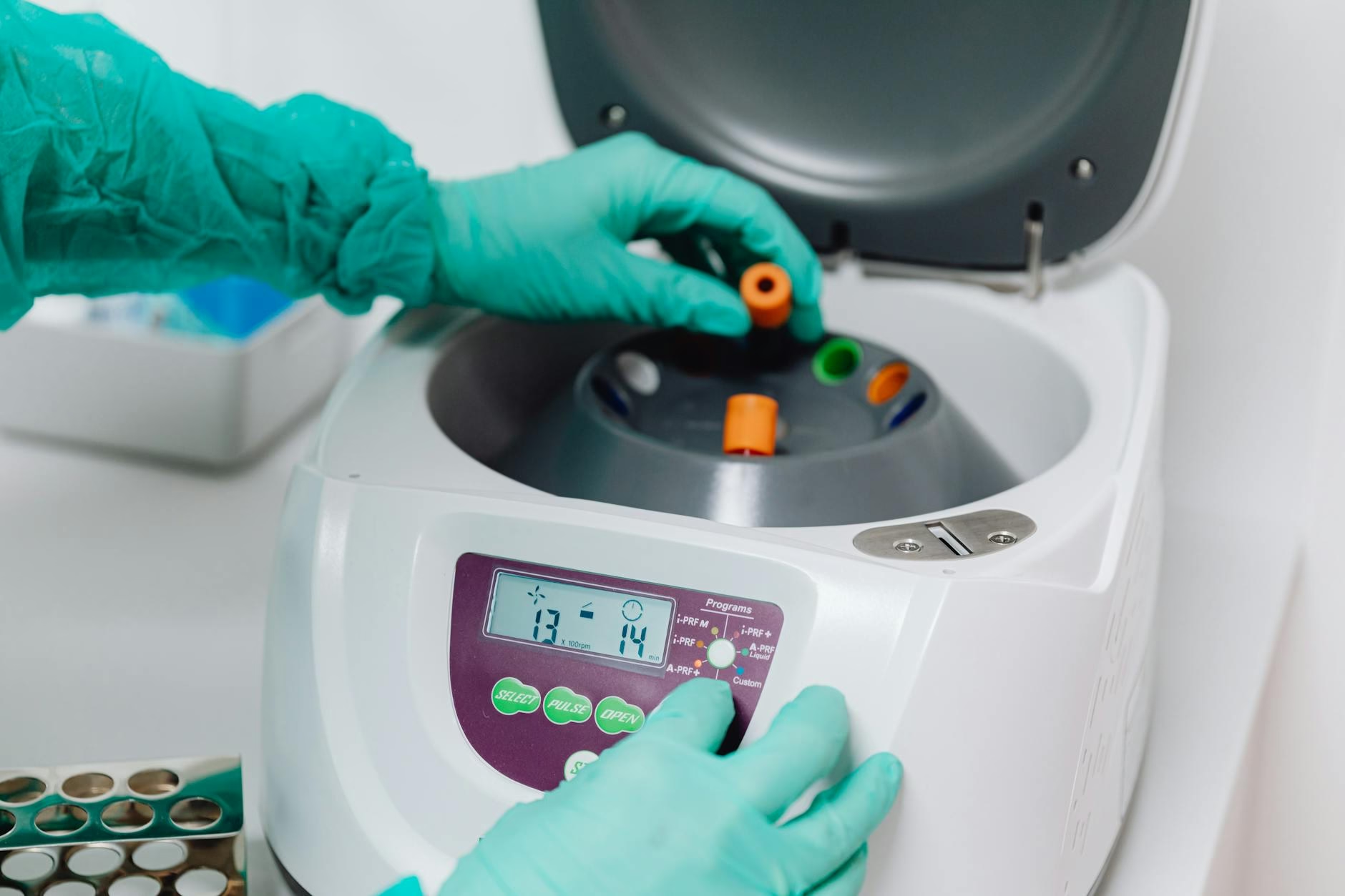
- PRP activating agents (calcium chloride or thrombin): These activate platelet degranulation before injection. Not all clinics use them — but the ones that skip this step deliver less potent PRP.
- Follow-up consultations: Mid-package progress reviews are often billed as separate consults (₱500–₱1,500 each).
- Maintenance sessions: After your initial series, most patients need 1–2 maintenance sessions per year. Ask what those cost before signing a package.
- Complementary treatments: Some clinics bundle low-level laser therapy (LLLT) or mesotherapy with PRP — useful, but check if it’s included or pitched as an upsell.
₱3,500–₱12,000Per session range (PH, 2025)
3–6 sessionsRecommended initial series
4–7×Platelet concentration (quality equipment)
1–2×/yearMaintenance sessions post-series
PRP Treatment vs. Other Hair Restoration Solutions: Cost & Effectiveness
PRP sits in the mid-tier of hair restoration by cost — more affordable than hair transplant surgery, more effective than most OTC topicals, and comparable in price to prescription oral treatments when calculated over 12 months.
| Treatment | Avg. Annual Cost (PH) | Effectiveness (AGA) | Downtime | Best For |
|---|---|---|---|---|
| PRP Therapy | ₱20,000–₱55,000 | High (with 3+ sessions) | None | Early–moderate hair loss |
| Hair Transplant (FUE) | ₱80,000–₱250,000 (one-time) | Highest | 7–14 days | Advanced hair loss, stable donors |
| Minoxidil (topical) | ₱3,600–₱7,200 | Moderate (ongoing use) | None | General thinning, budget-first approach |
| Finasteride (oral) | ₱6,000–₱14,400 | High (males only) | None | Male-pattern baldness (MPB) |
| Low-Level Laser Therapy | ₱18,000–₱40,000 | Moderate | None | Adjunct therapy, mild thinning |
PRP’s real advantage isn’t just effectiveness — it’s that it stimulates your own follicles using your own biology. There’s no systemic drug exposure, no dependency, and no recovery period. For patients with early androgenetic alopecia (AGA), a well-executed PRP series is often the highest-ROI treatment available at this price point.
According to a 2019 systematic review published in Dermatologic Surgery, PRP injections significantly increased hair density and thickness in patients with androgenetic alopecia across multiple controlled trials. The key variable in outcomes? Platelet concentration — which loops directly back to protocol quality.
How to Choose the Right PRP Clinic Without Overpaying
The right PRP clinic balances protocol quality, physician credentials, and transparent pricing — not just the lowest number on the price list. Here’s a six-point checklist before you book.
- Ask for the centrifuge brand and spin protocol. Acceptable answers: double-spin protocol, named medical-grade equipment. Red flag: “advanced machine” with no specifics.
- Confirm the injecting provider’s credentials. Look for a board-certified dermatologist, plastic surgeon, or trained trichologist. Ask directly — good clinics are proud to tell you.
- Request a package breakdown, not just a total price. You need to know the per-session cost, what’s included, and what maintenance pricing looks like before you commit to a series.
- Ask if they perform a baseline scalp assessment. Any serious hair restoration program starts by measuring what you have — otherwise, how do they prove improvement?
- Look for published before-and-after data, not just social posts. Curated social proof is easy to fabricate. Ask about their documented improvement rates across a patient cohort.
- Verify if they use PRP activation agents. Calcium chloride or thrombin activation improves growth factor release. A clinic that skips this step is leaving efficacy on the table.
At Fill It, every PRP session follows a double-spin protocol using medical-grade kits, and all treatments are administered by licensed physicians with documented trichology training. Baseline trichoscopy is standard — not an upsell.
Complete PRP Pricing Guide: Single Session to Annual Package Rates
A full PRP hair restoration program in the Philippines typically costs ₱20,000–₱55,000 for the initial series, depending on location and protocol tier. Here’s how to think about total investment at each stage.
| Package Type | Sessions Included | Typical Timeline | Price Range (PH) | Best For |
|---|---|---|---|---|
| Single Session | 1 | One visit | ₱3,500–₱12,000 | Trial / first-time patients |
| Starter Series | 3 | 8–12 weeks | ₱9,500–₱30,000 | Early-stage hair thinning |
| Full Initial Program | 6 | 5–6 months | ₱18,000–₱55,000 | Moderate androgenetic alopecia |
| Annual Maintenance | 1–2/year | Ongoing | ₱4,000–₱14,000/yr | Post-series result preservation |
Most dermatologists recommend starting with at least 3 sessions before evaluating results. Hair follicle response to PRP typically becomes visible at the 3-month mark, with peak density improvement at 6–9 months post-series. Expecting results after a single session is one of the most common — and costly — misunderstandings patients bring into consultations.
Smart budgeting tip: A 6-session package almost always offers a 15–25% discount versus paying per session individually. If you’re committed to the process, buying the full series upfront saves money and locks in your per-session rate against future price increases.
Frequently Asked Questions About PRP Treatment Costs
How much does PRP hair treatment cost in the Philippines in 2025?
PRP treatment cost in the Philippines ranges from ₱3,500 to ₱12,000 per session depending on clinic location, equipment quality, and physician credentials. A full 3–6 session initial program typically runs ₱9,500 to ₱55,000 total. Manila’s BGC and Makati clinics command the highest prices; Davao and Cebu tend to be 20–40% lower for comparable protocols.
Is PRP treatment worth the cost for hair loss?
Yes — for early to moderate androgenetic alopecia (AGA), PRP is one of the most evidence-backed non-surgical options available. Peer-reviewed clinical data supports meaningful improvement in hair density and follicle health when a proper multi-session protocol is followed. It’s not worth the cost if you only do one session and expect dramatic results — the outcome is dose-dependent.
How many PRP sessions do I need and how does that affect total cost?
Most dermatologists recommend 3–6 initial sessions spaced 4–6 weeks apart, followed by 1–2 annual maintenance sessions. Total first-year cost typically falls between ₱18,000 and ₱55,000 depending on location and package. Patients who commit to the full series consistently see better outcomes than those who stop after 1–2 sessions.
What’s the difference between cheap and expensive PRP — is it just the brand name?
No — the difference is measurable and clinical. Premium PRP sessions use double-spin centrifuge protocols and closed-system FDA-cleared kits that produce 4–7× platelet concentration. Budget sessions often use single-spin equipment yielding 2–3× concentration and lower injection volumes. That gap directly impacts growth factor delivery and, ultimately, your results.
Does PhilHealth or insurance cover PRP hair treatment costs?
No. PRP for hair loss is classified as an aesthetic or elective procedure in the Philippines, which means PhilHealth and most private health insurance policies do not cover it. Some HMO plans cover PRP for orthopedic indications (knee, shoulder) but not for scalp hair restoration. Budget accordingly as an out-of-pocket expense.
Are there hidden costs in PRP treatment packages I should know about?
Yes — the most commonly unbundled costs are: initial scalp assessment (₱500–₱2,000), topical anesthetic per session (₱300–₱800), follow-up consultations (₱500–₱1,500 each), and annual maintenance sessions. Always ask for a full itemized breakdown before signing any package. The headline price and the total cost of your program are often meaningfully different numbers.
Can I get good PRP results outside Manila at a lower cost?
Absolutely. Several clinics in Cebu and Davao use the same medical-grade centrifuge protocols and physician-led injection techniques as top Manila providers — at 20–35% lower per-session pricing. The key is to evaluate the centrifuge protocol and physician credentials directly, not use city location as a proxy for quality. Provincial pricing reflects lower overhead, not lower standards.
Ready to Restore Your Hair? Get Your Free Consultation and Pricing Quote
Here’s what most articles about PRP won’t tell you: the biggest cost isn’t the treatment itself. It’s spending months — and significant money — on a clinic that uses substandard equipment and delivers subtherapeutic platelet concentrations. You get the placebo of a procedure without the biology that makes it work.
The smartest move you can make right now is to get a proper baseline scalp assessment, understand your specific hair loss pattern (Norwood Scale for men, Ludwig Scale for women), and compare clinics on protocol specifics — not just price. According to the International Society of Hair Restoration Surgery, patient outcomes improve significantly when treatment is matched to hair loss stage and supported by documented pre-treatment baseline data.
Compare your clinic options on centrifuge protocol and physician credentials — then book the one that answers both questions without hesitation. Because in PRP, the difference between results and regret often comes down to the machine running for four minutes in a back room you never see.